

Selling More by Packaging Products Together
Product bundling is one of the most effective strategies to increase average order value, move inventory, and improve customer satisfaction. By grouping complementary products together at a discounted price, you create perceived value, simplify purchasing decisions, and encourage customers to buy more than they originally intended. Bundles work because they tap into psychological principles—customers feel they’re getting a deal, reduce decision fatigue by having curated selections, and discover products they might not have found otherwise. Strategic bundling can clear slow-moving inventory, introduce customers to new products, increase margins despite discounts, and differentiate your offerings from competitors. Whether you’re selling fashion, beauty, home goods, or any other product category, thoughtful bundling strategies can significantly boost revenue and customer lifetime value. Let’s explore how to create effective product bundles that drive sales and delight customers.

Why Product Bundling Works
Increased Average Order Value
Bundles encourage larger purchases:
- Customers buy multiple items instead of one
- Perceived discount motivates purchase
- Can increase AOV by 20-30%+
- Higher revenue per transaction
- More efficient customer acquisition
Perceived Value
Bundles feel like better deals:
- “Save $20 when you buy together”
- Customers feel smart for getting discount
- Anchoring effect (compare bundle price to individual prices)
- Increases purchase likelihood
- Reduces price sensitivity
Simplified Decision-Making
Bundles reduce choice paralysis:
- Curated selection removes guesswork
- “Complete the look” or “Everything you need”
- Faster purchasing decisions
- Particularly effective for new customers
- Reduces cognitive load
Inventory Management
Strategic bundling moves stock:
- Pair slow-movers with bestsellers
- Clear seasonal or excess inventory
- Introduce new products
- Reduce dead stock
- Improve inventory turnover
Product Discovery
Bundles introduce customers to new items:
- Customers try products they wouldn’t buy alone
- Increases future purchases of bundled items
- Expands customer product usage
- Builds awareness of full catalog
Competitive Differentiation
Unique bundles set you apart:
- Competitors may sell same individual products
- Your curated bundles are unique
- Creates proprietary offerings
- Harder to price compare
Types of Product Bundles
Pure Bundles
What it is: Products only available as bundle, not sold separately
Example: “Starter Kit” with multiple items only sold together
Pros:
- Forces bundle purchase
- Simplifies inventory (one SKU)
- Clear value proposition
- Good for kits or sets
Cons:
- Less flexibility for customers
- May deter some buyers
- Limits individual product sales
Best for: Starter kits, gift sets, products that work best together
Mixed Bundles
What it is: Products available individually or as discounted bundle
Example: “Buy shampoo and conditioner together, save 15%”
Pros:
- Customer flexibility
- Captures both individual and bundle buyers
- Most common and versatile
- Easy to implement
Cons:
- Some customers buy individually (miss bundle revenue)
- More complex inventory management
Best for: Most ecommerce businesses, complementary products
Cross-Sell Bundles
What it is: Suggest complementary products during checkout
Example: “Add batteries for $5 (save $3)” when buying electronic toy
Pros:
- Captures impulse additions
- Increases AOV at point of purchase
- Convenient for customers
- Easy to implement
Cons:
- Can feel pushy if overdone
- Lower conversion than pre-made bundles
Best for: Accessories, consumables, obvious complements
Tiered Bundles
What it is: Multiple bundle options at different price points
Example:
- Basic Bundle: 3 items for $50
- Deluxe Bundle: 5 items for $80
- Premium Bundle: 8 items for $120
Pros:
- Appeals to different budgets
- Anchoring effect (premium makes deluxe look reasonable)
- Upsell opportunities
- Maximizes revenue potential
Cons:
- More complex to create and manage
- Can overwhelm with too many choices
Best for: Gift sets, subscription boxes, product lines with natural tiers
BOGO (Buy One Get One)
What it is: Buy one product, get another free or discounted
Variations:
- BOGO 50% (buy one, get second 50% off)
- BOGO free (buy one, get one free)
- Buy 2 get 1 free
Pros:
- Simple and clear
- Strong perceived value
- Moves inventory quickly
- Encourages stockpiling
Cons:
- Can reduce margins significantly
- May train customers to wait for deals
- Devalues brand if overused
Best for: Clearance, consumables, identical products
Mix-and-Match Bundles
What it is: Customer chooses X items from selection for bundle price
Example: “Choose any 3 candles for $45” (normally $20 each)
Pros:
- Customer personalization
- Flexibility increases appeal
- Moves variety of products
- Feels like customization
Cons:
- More complex to implement
- Customers may choose highest-value items (margin impact)
- Inventory tracking complexity
Best for: Similar products (colors, scents, sizes), variety packs
Subscription Bundles
What it is: Recurring delivery of bundled products
Example: Monthly coffee bundle with 3 different roasts
Pros:
- Recurring revenue
- Predictable inventory needs
- Higher customer lifetime value
- Convenience for customers
Cons:
- Requires subscription infrastructure
- Churn management needed
- Fulfillment complexity
Best for: Consumables, replenishment products, curated selections
Creating Effective Bundles
Choose Products to Bundle
Complementary products:
- Products used together naturally
- “Complete the look” or “Everything you need”
- Solves complete problem or need
Examples:
- Shampoo + conditioner + hair mask
- Camera + memory card + case
- Yoga mat + blocks + strap
- Skincare routine (cleanser + toner + moisturizer)
Bestseller + slow-mover:
- Pair popular item with product that needs movement
- Bestseller attracts, slow-mover gets discovered
- Clears inventory while maintaining appeal
New product introduction:
- Bundle new product with established favorite
- Reduces risk for customer trying new item
- Builds awareness and trial
Themed bundles:
- Seasonal (“Summer Essentials”)
- Occasion (“Date Night Bundle”)
- Lifestyle (“Work From Home Kit”)
- Gift-focused (“Gift for Her”)
Value tiers:
- Good, better, best options
- Entry-level to premium
- Starter to advanced
Pricing Your Bundles
Discount sweet spot:
- 10-25% off individual prices typical
- Enough to motivate purchase
- Not so much you destroy margins
- Test different discount levels
Pricing strategies:
1. Percentage discount:
- “Save 20% when you buy together”
- Clear value communication
- Easy to understand
Example:
- Product A: $30
- Product B: $25
- Product C: $20
- Total: $75
- Bundle price: $60 (20% off)
2. Dollar amount discount:
- “Save $15 when you buy the bundle”
- Concrete savings amount
- Feels more tangible
3. Anchor pricing:
- Show individual prices crossed out
- Display bundle savings prominently
- Creates strong value perception
Example display:
- ~~$75~~ $60
- Save $15!
4. Psychological pricing:
- $59.99 instead of $60
- Feels significantly cheaper
- Use for consumer products
Margin considerations:
- Calculate bundle margin, not just individual margins
- Ensure bundle remains profitable
- Account for increased AOV offsetting discount
- Consider customer lifetime value (first bundle may lead to more purchases)
Example margin calculation:
- Product A cost: $12, price: $30 (60% margin)
- Product B cost: $10, price: $25 (60% margin)
- Product C cost: $8, price: $20 (60% margin)
- Bundle cost: $30, price: $60 (50% margin)
- Lower margin but higher AOV and volume
Presenting Bundles Effectively
Clear value communication:
- Show individual prices and bundle price
- Highlight savings amount or percentage
- Use visual cues (badges, banners)
- Make discount obvious
Compelling bundle names:
- Descriptive and benefit-focused
- “Complete Skincare Routine” not “Bundle #1”
- “Ultimate Coffee Lover’s Set”
- “Everything You Need to Start Yoga”
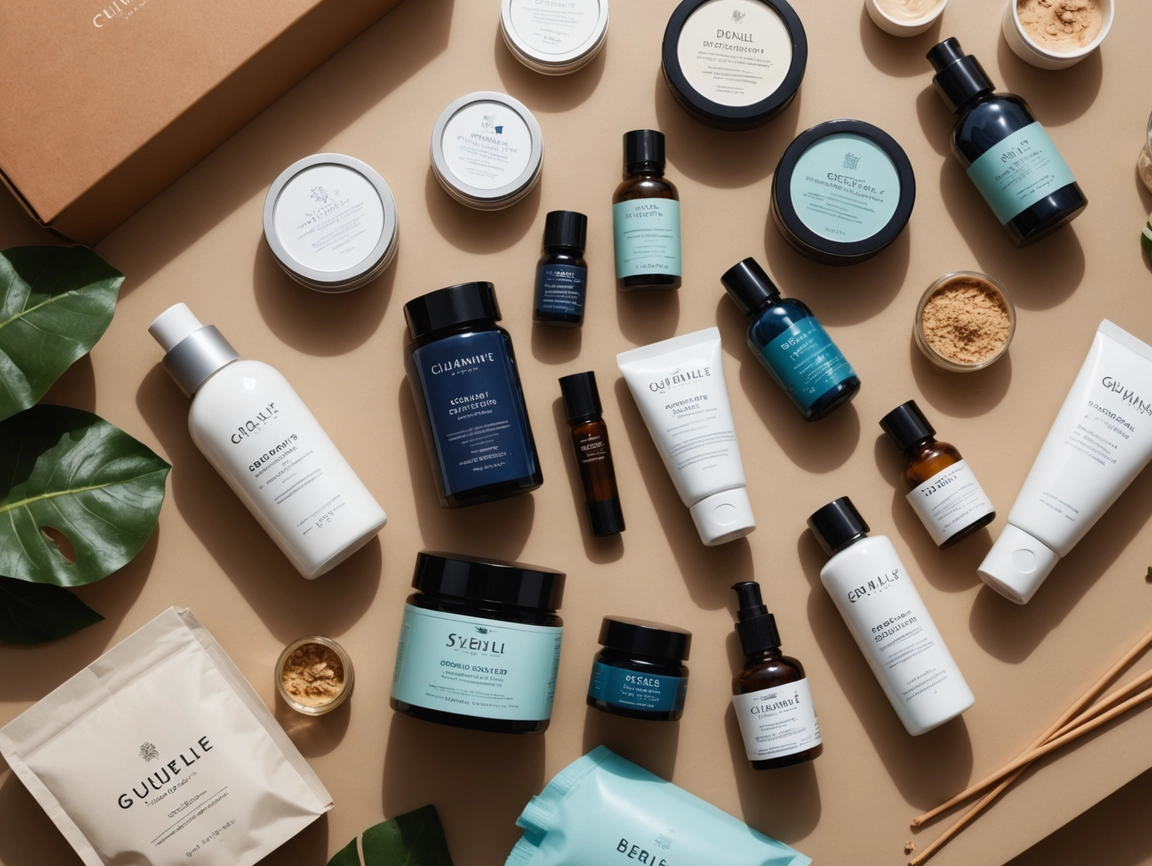
Product photography:
- Show all items together
- Styled attractively
- Individual product images also available
- Lifestyle shots showing use
Detailed descriptions:
- List what’s included
- Explain why items work together
- Describe benefits of bundle
- Include individual product details
Strategic placement:
- Dedicated bundles page or collection
- Feature on homepage
- Show on individual product pages (“Frequently bought together”)
- Promote in email and social media
- Highlight during checkout
Implementing Bundles
Shopify Bundle Options
Shopify Bundles (Free app):
- Official Shopify app
- Create fixed bundles
- Inventory tracking
- Simple setup
- Good for basic bundling
Bold Bundles:
- $19.99/month
- Advanced bundle types
- Mix-and-match options
- Volume discounts
- Customization options
Bundle Builder:
- $15-$50/month
- Customer-created bundles
- Flexible options
- Good for mix-and-match
Simple Bundles:
- $19.99/month
- Easy bundle creation
- Inventory sync
- Multiple bundle types
Manual approach:
- Create bundle as separate product
- Manually track inventory
- Free but more work
- Viable for small number of bundles
Inventory Management for Bundles
Inventory tracking methods:
1. Bundle as separate SKU:
- Track bundle inventory independently
- Manually deduct component inventory when bundle sells
- More control but more work
2. Automatic inventory sync:
- Bundle apps automatically deduct component inventory
- Bundle availability based on component stock
- Less manual work
- Recommended approach
Prevent overselling:
- Ensure bundle shows out of stock when any component is unavailable
- Monitor component inventory levels
- Reorder components proactively
Bundle Strategies by Product Category
Fashion and Apparel
Effective bundles:
- “Complete the outfit” (top + bottom + accessories)
- “3-pack basics” (3 t-shirts, 3 pairs of socks)
- “Seasonal wardrobe” (multiple pieces for season)
- “Mix and match” (choose 3 items from collection)
Pricing: 15-25% discount typical
Beauty and Skincare
Effective bundles:
- “Complete routine” (cleanser + toner + moisturizer + serum)
- “Travel set” (mini sizes of full routine)
- “Targeted solution” (products for specific concern)
- “Discovery set” (sample multiple products)
Pricing: 20-30% discount typical
Home and Kitchen
Effective bundles:
- “Room refresh” (multiple items for one room)
- “Starter kit” (everything needed to begin)
- “Entertaining set” (coordinated pieces for hosting)
- “Organization bundle” (storage solutions together)
Pricing: 15-20% discount typical
Food and Beverage
Effective bundles:
- “Variety pack” (multiple flavors or types)
- “Subscription box” (monthly curated selection)
- “Gift basket” (themed assortment)
- “Bulk bundle” (stock up and save)
Pricing: 10-20% discount typical
Electronics and Tech
Effective bundles:
- “Complete setup” (device + accessories)
- “Protection bundle” (product + case + screen protector)
- “Upgrade bundle” (product + premium accessories)
- “Starter pack” (everything needed to begin)
Pricing: 10-15% discount typical
Promoting Your Bundles
On-Site Promotion
Homepage features:
- Banner highlighting bundle savings
- Featured bundle section
- Rotating bundle showcases
Product pages:
- “Frequently bought together” section
- “Complete the set” suggestions
- Bundle options for current product
Dedicated bundles page:
- Collection showing all bundles
- Filter by category or theme
- Easy browsing and comparison
Cart and checkout:
- “Add bundle and save” suggestions
- Upsell complementary bundles
- Show savings if they complete bundle
Email Marketing
Bundle announcements:
- Launch new bundles with dedicated email
- Highlight savings and value
- Limited-time bundle offers
Personalized recommendations:
- Suggest bundles based on purchase history
- “Complete your collection” emails
- Abandoned cart with bundle alternative
Seasonal campaigns:
- Holiday gift bundles
- Back-to-school bundles
- Seasonal refresh bundles
Social Media
Content ideas:
- Unboxing videos of bundles
- “What’s in the bundle” posts
- Customer photos using bundled products
- Limited-time bundle announcements
- Polls asking which bundle to create next
Paid Advertising
Bundle-focused ads:
- Highlight savings in ad copy
- Show all bundle items in image
- Target customers who viewed individual products
- Retarget with bundle offers
Testing and Optimizing Bundles
What to Test
Product combinations:
- Which products work best together?
- 2-item vs. 3-item vs. 4-item bundles?
- Different themed bundles
Pricing and discounts:
- 10% vs. 15% vs. 20% discount
- Dollar amount vs. percentage off
- Different price points
Presentation:
- Bundle names and descriptions
- Photography and styling
- Placement on site
- Value communication methods
Metrics to Track
Bundle performance:
- Bundle conversion rate
- Bundle revenue as % of total revenue
- Average order value with vs. without bundles
- Units per transaction
Individual bundle metrics:
- Sales per bundle
- Conversion rate per bundle
- Margin per bundle
- Return rate
Customer behavior:
- Bundle buyers vs. individual product buyers
- Repeat purchase rate
- Customer lifetime value
Optimization Strategies
- Discontinue underperforming bundles
- Double down on bestselling bundles
- Refresh bundles seasonally
- Test new combinations based on data
- Adjust pricing based on performance
- Update bundle photography and copy
- Promote top bundles more heavily
Common Bundling Mistakes
Bundling Unrelated Products
Random product combinations don’t make sense to customers. Bundle complementary items that naturally go together.
Discount Too Deep
Excessive discounts destroy margins and devalue products. Keep discounts at 10-25% for sustainability.
Too Many Choices
Overwhelming customers with dozens of bundles creates decision paralysis. Start with 3-5 strong bundles.
Poor Value Communication
Not showing savings clearly reduces bundle appeal. Always display individual prices and bundle savings prominently.
Ignoring Inventory
Bundles selling out of one component frustrate customers. Monitor component inventory and reorder proactively.
Set It and Forget It
Static bundles become stale. Refresh bundles seasonally and based on performance data.
No Testing
Assuming bundles will work without testing wastes opportunity. Test different combinations, pricing, and presentations.
The Bottom Line
Product bundling increases average order value by 20-30%+ by grouping complementary products at discounted prices (typically 10-25% off individual prices) that create perceived value, simplify purchasing decisions, and encourage customers to buy more than originally intended. Choose bundle types strategically—mixed bundles (products available individually or bundled) offer maximum flexibility, pure bundles (only sold together) work for starter kits and gift sets, cross-sell bundles capture impulse additions during checkout, tiered bundles (good/better/best) appeal to different budgets, and mix-and-match bundles allow customer personalization while moving variety of products.
Create effective bundles by pairing complementary products that solve complete problems (shampoo + conditioner + hair mask, camera + memory card + case), combining bestsellers with slow-movers to clear inventory while maintaining appeal, introducing new products bundled with established favorites to reduce trial risk, and developing themed bundles for seasons, occasions, lifestyles, or gifts. Price bundles at the sweet spot of 10-25% discount—enough to motivate purchase without destroying margins—and always display individual prices crossed out with bundle savings prominently shown using anchor pricing that creates strong value perception.
Implement bundles using Shopify Bundles (free official app) for basic fixed bundles, Bold Bundles ($19.99/month) for advanced options including mix-and-match, Bundle Builder ($15-$50/month) for customer-created bundles, or Simple Bundles ($19.99/month) for easy creation with inventory sync. Use automatic inventory sync ensuring bundles show out of stock when any component is unavailable rather than manual tracking that risks overselling.
Promote bundles through homepage features highlighting savings, product page “frequently bought together” sections, dedicated bundles collection pages, cart and checkout upsells, email campaigns announcing new bundles and suggesting personalized recommendations, social media unboxing videos and “what’s in the bundle” posts, and paid advertising targeting customers who viewed individual products with bundle offers. Test product combinations (2-item vs. 3-item vs. 4-item), pricing levels (10% vs. 15% vs. 20% discounts), and presentation methods (names, photography, placement) while tracking bundle conversion rates, revenue percentage, average order value impact, and individual bundle performance.
Avoid common mistakes including bundling unrelated products that don’t make sense together, discounting too deeply (over 25%) destroying margins and devaluing products, overwhelming customers with too many bundle choices creating decision paralysis, communicating value poorly without showing savings clearly, ignoring component inventory leading to stockouts, maintaining static bundles that become stale without seasonal refreshes, and skipping testing of different combinations and pricing. Strategic bundling moves inventory, introduces customers to new products, increases margins despite discounts through higher volume and AOV, and differentiates your offerings from competitors selling the same individual products—start with 3-5 strong bundles, test and optimize based on data, and refresh seasonally to maintain customer interest and maximize revenue impact.
Affiliate Disclosure: This article contains affiliate links to bundling apps and tools. If you purchase through these links, we may earn a commission at no additional cost to you. We only recommend tools we genuinely believe will help you create effective product bundles that increase average order value and customer satisfaction.