

The Power of Video Without the Hollywood Budget
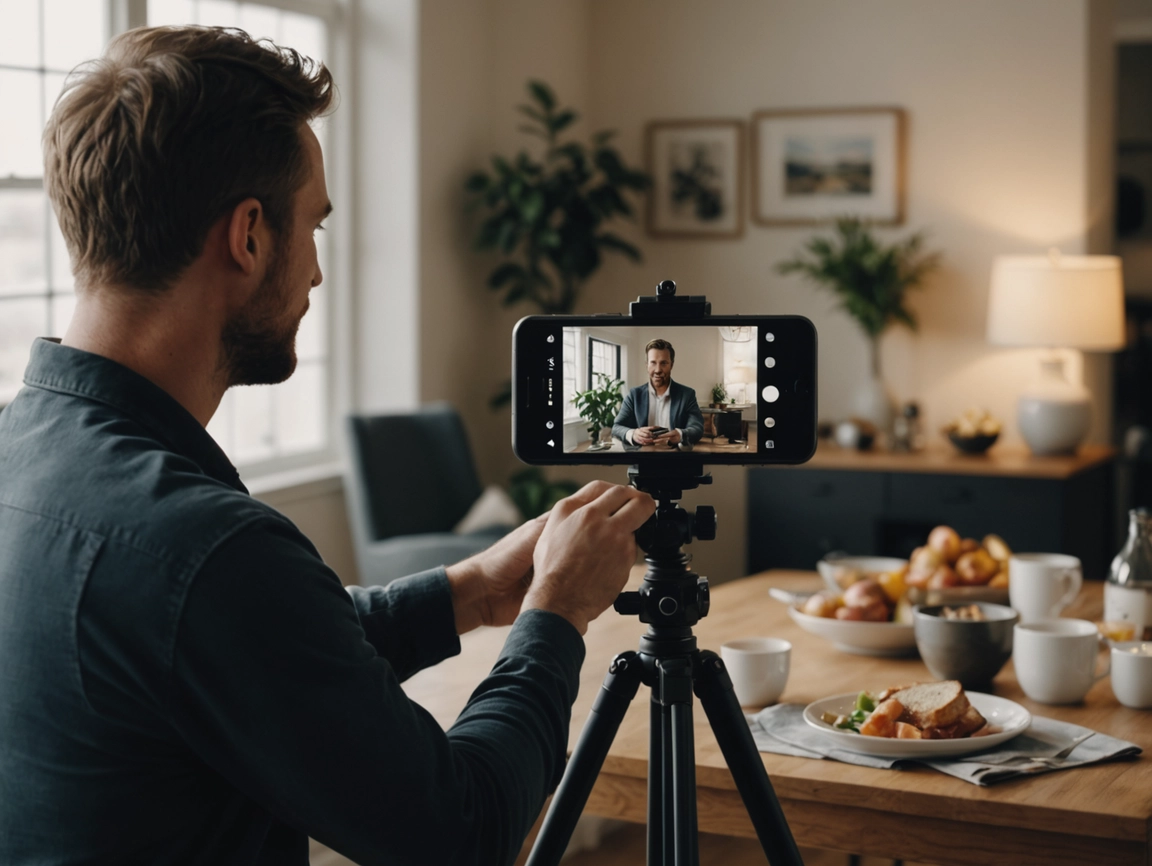
Video is the most engaging content format—it drives higher engagement rates, better conversion, and stronger emotional connections than static images or text. Yet many ecommerce entrepreneurs avoid video marketing, assuming it requires expensive equipment, professional videographers, and Hollywood-level production budgets. The reality is that effective ecommerce video can be created with just a smartphone, natural lighting, and basic editing apps. Customers don’t expect perfection—they value authenticity, clarity, and usefulness. A simple product demonstration shot on your phone often outperforms a slick commercial because it feels genuine and trustworthy. The key is understanding which types of videos drive results, mastering basic filming techniques, using free or affordable tools, and creating content consistently rather than perfectly. Let’s explore how to leverage video marketing effectively without breaking your budget.

Why Video Marketing Works for Ecommerce
Superior Engagement
Video outperforms other content types:
- Social media posts with video get 48% more views
- Video content generates 1200% more shares than text and images combined
- Users spend 88% more time on websites with video
- Video in emails increases click-through rates by 300%
Higher Conversion Rates
Video drives purchasing decisions:
- Product pages with video see 80% higher conversion rates
- 84% of consumers say video convinced them to purchase
- Video reduces returns by setting accurate expectations
- Demonstrates products better than photos alone
Better Product Understanding
Show what photos can’t:
- Demonstrate how products work
- Show scale, texture, and movement
- Highlight features and benefits
- Answer common questions visually
- Reduce customer uncertainty
Builds Trust and Connection
Video humanizes your brand:
- Customers see real people behind the brand
- Authentic videos build credibility
- Behind-the-scenes creates transparency
- Personal connection drives loyalty
SEO Benefits
Video improves search visibility:
- Google prioritizes pages with video
- YouTube is second-largest search engine
- Video increases time on site (SEO signal)
- Rich snippets in search results
Types of Ecommerce Videos
Product Demonstrations
What it is: Show product in use, highlighting features and benefits
Why it works:
- Answers “how does it work?”
- Shows product in action
- Reduces purchase hesitation
- Demonstrates value clearly
Budget approach:
- Film with smartphone
- Natural lighting or simple lamp
- Clean background (white wall or table)
- 30-60 seconds ideal
- Focus on key features
Example: Show clothing item being worn and styled, demonstrate how kitchen gadget works, show furniture being assembled
Unboxing Videos
What it is: Show customer experience of receiving and opening product
Why it works:
- Builds excitement and anticipation
- Shows packaging quality
- Demonstrates what’s included
- Creates shareable content
Budget approach:
- Film from customer’s perspective
- Overhead shot works well
- Show packaging, product, any extras
- Keep authentic and genuine
How-To and Tutorial Videos
What it is: Educational content showing how to use products or solve problems
Why it works:
- Provides value beyond selling
- Positions you as expert
- Drives organic search traffic
- Supports customers post-purchase
Budget approach:
- Screen recording for digital products
- Step-by-step demonstrations
- Simple voiceover explaining steps
- 2-5 minutes typical length
Example: “How to style our scarf 5 ways,” “How to care for leather products,” “How to set up your new gadget”
Customer Testimonials
What it is: Real customers sharing their experiences
Why it works:
- Authentic social proof
- More credible than written reviews
- Shows real people, real results
- Builds trust quickly
Budget approach:
- Ask happy customers to record on their phones
- Provide simple questions to answer
- Offer incentive (discount, free product)
- Keep short (30-60 seconds)
Behind-the-Scenes
What it is: Show your process, workspace, team, or how products are made
Why it works:
- Builds transparency and trust
- Humanizes your brand
- Shows quality and care
- Creates connection
Budget approach:
- Casual, authentic filming
- No script needed
- Show real workspace and process
- Instagram Stories or Reels format
Product Comparisons
What it is: Compare your products or show differences between options
Why it works:
- Helps customers choose right product
- Answers common questions
- Reduces decision paralysis
- Increases average order value
Example: “Linen vs. Cotton sheets: Which is right for you?” “Small vs. Large size comparison”
User-Generated Content (UGC)
What it is: Videos created by customers featuring your products
Why it works:
- Free content creation
- Highly authentic
- Shows real-world use
- Builds community
Budget approach:
- Encourage customers to share videos
- Create branded hashtag
- Repost with permission
- Run contests for best videos
Essential Equipment (Budget-Friendly)
Camera Options
Smartphone (best budget option):
- Modern phones shoot excellent video
- 4K quality on most recent models
- Already in your pocket
- Cost: $0 (you already have it)
Tips for smartphone filming:
- Clean your lens before filming
- Shoot in landscape (horizontal) for most videos
- Use rear camera (better quality than front)
- Enable grid lines for composition
- Lock exposure and focus by tapping screen
Webcam (for talking head videos):
- Logitech C920 or similar
- Good for product reviews, tutorials
- Cost: $50-$100
Lighting
Natural light (free):
- Film near window
- Soft, diffused light is best
- Avoid direct harsh sunlight
- Overcast days provide even lighting
- Golden hour (sunrise/sunset) for warm glow
Affordable lighting:
- Ring light: $20-$50 (great for product shots)
- LED panel lights: $30-$80
- Desk lamps with daylight bulbs: $15-$30
- Softbox kit: $50-$100
DIY lighting:
- White poster board as reflector
- Parchment paper over lamp for diffusion
- Aluminum foil as reflector
Audio
Built-in microphone:
- Smartphone or camera mic works for quiet environments
- Get close to subject
- Minimize background noise
- Cost: Free
Budget microphones:
- Lavalier (clip-on) mic: $15-$30
- USB microphone: $30-$100 (Blue Snowball, Fifine)
- Smartphone-compatible mic: $20-$50
Audio tips:
- Record in quiet space
- Turn off fans, AC, appliances
- Use soft surfaces to reduce echo (curtains, carpet)
- Test audio before full recording
Stabilization
Tripod:
- Phone tripod: $10-$25
- Basic camera tripod: $20-$50
- Essential for steady shots
DIY stabilization:
- Stack books to prop phone
- Lean against wall or stable surface
- Use both hands and brace elbows
Backgrounds
Simple backgrounds:
- Plain white or colored wall
- Clean workspace or table
- Fabric backdrop: $15-$30
- Poster board: $5-$10
Tips:
- Keep background simple and uncluttered
- Ensure good contrast with product
- Consistent backgrounds create professional look
Free and Affordable Editing Tools
Mobile Editing Apps
CapCut (Free):
- User-friendly interface
- Trim, cut, add text and music
- Transitions and effects
- Export without watermark
- Perfect for social media videos
InShot (Free with in-app purchases):
- Easy video editing
- Add music, text, stickers
- Adjust speed and filters
- Good for Instagram and TikTok
iMovie (Free for iOS):
- Professional features
- Templates and themes
- Easy to learn
- No watermark
Desktop Editing Software
DaVinci Resolve (Free):
- Professional-grade editing
- Color correction tools
- Audio editing
- Steeper learning curve but powerful
Canva Video (Free tier available):
- Simple drag-and-drop
- Templates for social media
- Add text, music, transitions
- Great for beginners
Clipchamp (Free tier):
- Browser-based editing
- Templates and stock footage
- Easy to use
- Good for quick edits
Stock Music and Sound Effects
Free options:
- YouTube Audio Library
- Facebook Sound Collection
- Pixabay Music
- Free Music Archive
Affordable paid:
- Epidemic Sound: $15/month
- Artlist: $9.99/month
- AudioJungle: Pay per track ($1-$20)
Filming Best Practices
Composition and Framing
- Rule of thirds: Place subject off-center for visual interest
- Headroom: Leave space above subject’s head
- Eye level: Film at subject’s eye level for natural perspective
- Fill the frame: Get close enough to see details
- Consistent framing: Maintain similar composition across videos
Lighting Setup
Three-point lighting (simplified):
- Key light: Main light source (window or lamp)
- Fill light: Soften shadows (reflector or second light)
- Back light: Separate subject from background (optional)
Simple setup:
- Position subject facing window
- Use white poster board opposite window to bounce light
- Avoid filming with window behind subject (backlit)
Audio Quality
- Get microphone close to subject
- Record in quiet environment
- Do test recording first
- Monitor audio levels (not too quiet or loud)
- Consider adding music to cover minor audio imperfections
Keep Videos Short
Attention spans are short:
- Social media: 15-60 seconds ideal
- Product demos: 30-90 seconds
- Tutorials: 2-5 minutes
- Testimonials: 30-60 seconds
Get to the point quickly and cut ruthlessly.
Plan Before Filming
- Write simple outline or script
- List shots you need
- Gather props and products
- Set up lighting and background
- Do test shots
Planning saves time and improves results.
Creating Videos Efficiently
Batch Filming
Film multiple videos in one session:
- Set up once, film 5-10 videos
- Saves setup and breakdown time
- Consistent lighting and background
- More efficient use of time
Example: Film product demos for entire product line in one afternoon
Repurpose Content
One video becomes many:
- Long video → Multiple short clips
- Horizontal video → Vertical for Stories/Reels
- Product demo → Tutorial + Behind-the-scenes
- Customer testimonial → Social proof clips
Use Templates
- Create video templates for consistency
- Same intro/outro for all videos
- Consistent text overlays and branding
- Speeds up editing process
Simple Editing
Don’t over-edit:
- Trim beginning and end
- Cut out mistakes or pauses
- Add text overlays for key points
- Include background music
- Add your logo/branding
- That’s often enough
Where to Use Video Content
Product Pages
- Embed product demonstration videos
- Show product from multiple angles
- Demonstrate key features
- Include customer testimonial videos
- Increases conversion significantly
Social Media
Instagram:
- Reels (15-90 seconds)
- Stories (15 seconds per clip)
- Feed videos (up to 60 seconds)
- IGTV for longer content
TikTok:
- 15-60 second videos
- Trending sounds and formats
- Behind-the-scenes and how-tos
- Product demonstrations
Facebook:
- Native video uploads
- Facebook Stories
- Live videos
YouTube:
- Longer-form content (2-10 minutes)
- Tutorials and how-tos
- Product reviews
- SEO benefits
Pinterest:
- Idea Pins (multi-page videos)
- How-to and tutorial content
- Product demonstrations
Email Marketing
- Embed video thumbnails linking to hosted video
- Product launch announcements
- How-to content for subscribers
- Behind-the-scenes exclusives
- Increases click-through rates 300%
Homepage and Landing Pages
- Hero video showcasing brand or products
- Explainer videos
- Customer testimonials
- Keep short (30-60 seconds)
- Auto-play muted with captions
Paid Advertising
- Facebook and Instagram video ads
- YouTube pre-roll ads
- TikTok ads
- Video ads often outperform static images
Optimizing Video for Results
Add Captions
- 85% of social video watched without sound
- Captions make content accessible
- Increases watch time and engagement
- Use auto-caption tools (CapCut, Descript)
- Review and correct auto-generated captions
Hook Viewers Immediately
- First 3 seconds are critical
- Start with compelling visual or statement
- Show the payoff upfront
- Create curiosity or promise value
Example hooks:
- “Watch this product solve [problem] in 30 seconds”
- “You’ve been using this wrong…”
- Show dramatic before/after immediately
Include Clear Call-to-Action
- Tell viewers what to do next
- “Shop now,” “Learn more,” “Follow for more tips”
- Include link in caption or bio
- Make it easy to take action
Optimize for Each Platform
- Aspect ratios: Vertical (9:16) for Stories/Reels, Square (1:1) for feed, Horizontal (16:9) for YouTube
- Length: Match platform preferences
- Style: Adapt to platform culture
- Hashtags: Use relevant tags
Test and Analyze
- Track video performance metrics
- Watch time and completion rate
- Engagement (likes, comments, shares)
- Click-through rate
- Conversion rate
- Double down on what works
Common Video Marketing Mistakes
Waiting for Perfect Equipment
Your smartphone is enough to start. Don’t let equipment be an excuse. Start with what you have and upgrade as you grow.
Over-Producing
Overly polished videos can feel inauthentic. Customers value authenticity over perfection. Simple, genuine videos often perform better.
Making Videos Too Long
Respect viewers’ time. Get to the point quickly and cut ruthlessly. Shorter videos have higher completion rates.
No Captions
Most social video is watched without sound. Videos without captions lose 85% of potential viewers.
Poor Lighting
Dark, poorly lit videos look unprofessional. Use natural light or invest in basic lighting ($20-$50).
Weak Hook
Boring first 3 seconds means viewers scroll past. Start strong with compelling visual or statement.
Inconsistent Posting
One video won’t move the needle. Commit to consistent video creation (weekly or bi-weekly minimum).
The Bottom Line
Effective video marketing doesn’t require expensive equipment or professional videographers—your smartphone, natural lighting, and free editing apps like CapCut or iMovie are sufficient to create engaging content that drives results. Focus on high-impact video types including product demonstrations (30-60 seconds showing products in use), how-to tutorials (2-5 minutes providing value), customer testimonials (30-60 seconds of authentic social proof), behind-the-scenes content (building transparency and trust), and user-generated content (free, authentic videos from customers).
Invest minimally in essential equipment: use your smartphone camera (already in your pocket), film near windows for natural lighting or buy a ring light ($20-$50), use a basic tripod for stability ($10-$25), and consider an affordable lavalier microphone ($15-$30) for better audio. Edit videos using free tools like CapCut (mobile), DaVinci Resolve (desktop), or Canva Video, keeping edits simple with basic trimming, text overlays, background music, and branding.
Film efficiently by batch recording multiple videos in one session, planning shots in advance with simple outlines, keeping videos short (15-60 seconds for social media, 2-5 minutes for tutorials), and repurposing content across formats (horizontal to vertical, long to short clips). Always add captions since 85% of social video is watched without sound, hook viewers in the first 3 seconds with compelling visuals or statements, and include clear calls-to-action telling viewers what to do next.
Distribute videos strategically across product pages (increases conversion by 80%), social media platforms (Instagram Reels, TikTok, YouTube, Facebook), email marketing (increases click-through rates by 300%), and paid advertising. Optimize for each platform with appropriate aspect ratios (vertical 9:16 for Stories/Reels, square 1:1 for feeds, horizontal 16:9 for YouTube), lengths, and styles. Track performance metrics including watch time, engagement, and conversion rates to identify what resonates and double down on successful formats.
The biggest mistake is waiting for perfect equipment or conditions—start with your smartphone today, embrace authenticity over perfection, and commit to consistent creation. Video marketing is no longer optional for ecommerce success, but it’s also more accessible than ever. Your customers don’t expect Hollywood production—they want to see your products clearly, understand how they work, and connect with the real people behind your brand. Start creating simple, authentic videos today and let results guide your evolution.
Affiliate Disclosure: This article contains affiliate links to subscription platforms and tools. If you purchase through these links, we may earn a commission at no additional cost to you. We only recommend solutions we genuinely believe will help you build successful subscription businesses.