


Developing Mental Toughness for Entrepreneurial Success
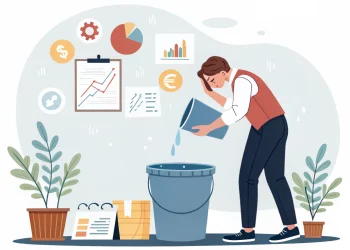
Ecommerce entrepreneurship guarantees challenges—failed product launches, cash flow crises, supplier issues, platform changes, negative reviews, and countless setbacks test your resolve. The difference between entrepreneurs who succeed long-term and those who quit isn’t avoiding challenges but developing resilience to overcome them. Resilience is mental toughness enabling you to bounce back from failures, adapt to change, maintain perspective during crises, and persist despite obstacles. It’s learnable through reframing failures as learning, building support systems, maintaining physical and mental health, developing problem-solving skills, and cultivating growth mindset. Whether you’re on Shopify, WooCommerce, BigCommerce, or any platform, resilience determines whether challenges destroy you or make you stronger. Let’s explore how to build resilience for sustainable entrepreneurial success.

Understanding Resilience
What resilience is: Ability to recover from setbacks, adapt to change, keep going despite difficulties, and grow stronger through challenges—not avoiding problems but handling them effectively.
Why it matters: Entrepreneurship is series of failures and setbacks—product flops, marketing campaigns that don’t work, suppliers who disappoint, customers who complain—resilience determines whether you learn and improve or give up.
Resilience is learnable: Not fixed personality trait but skill developed through practice, mindset shifts, and intentional habits—anyone can become more resilient.
Reframing Failure
Failure as feedback: Every failure provides data—what didn’t work, why, and what to try next. Failed product launch teaches about market demand, messaging, pricing, or timing. Reframe from “I failed” to “I learned X.”
Growth mindset: Carol Dweck’s research shows fixed mindset (“I’m not good at this”) versus growth mindset (“I’m not good at this yet”)—believing abilities can be developed through effort enables resilience.
Successful entrepreneurs fail more: They just keep going—Amazon’s Fire Phone flopped, Google+ failed, countless successful businesses had failed ventures first. Failure is prerequisite for success, not opposite of it.
Questions after setback: What did I learn? What would I do differently? What’s one thing I can improve? What’s the opportunity here? How can I use this experience?
Building Support Systems
Entrepreneur communities: Connect with others facing similar challenges through online forums (Shopify Community, Reddit r/ecommerce), Facebook groups, local meetups, or mastermind groups—shared experiences normalize struggles and provide perspective.
Mentorship: Find mentor who’s been through challenges you’re facing—their guidance helps avoid mistakes, provides encouragement during tough times, and offers perspective that “this too shall pass.”
Accountability partners: Regular check-ins with peer entrepreneur sharing wins, challenges, and goals—mutual support and accountability keep you moving forward.
Professional support: Therapist or coach helps process stress, develop coping strategies, and maintain mental health—not weakness but smart investment in resilience.
Personal relationships: Maintain friendships and family connections outside business—support system beyond entrepreneurship provides balance and perspective.
Stress Management
Physical health foundation: Sleep 7-9 hours (stress resilience requires rest), exercise 30-60 minutes most days (reduces cortisol, improves mood), and eat nutritious regular meals (blood sugar affects stress response)—physical health enables mental resilience.
Mindfulness and meditation: 10-20 minutes daily meditation using Headspace, Calm, or Insight Timer reduces stress reactivity, improves emotional regulation, and builds mental clarity—proven to increase resilience.
Stress relief practices: Deep breathing exercises (4-7-8 technique: inhale 4 counts, hold 7, exhale 8), progressive muscle relaxation, journaling thoughts and feelings, time in nature, or creative hobbies—find what works for you.
Boundaries and rest: Protect time off, take breaks during workday, and allow recovery—chronic stress without recovery depletes resilience reserves.
Problem-Solving Skills
Break down problems: Overwhelming challenges become manageable when broken into smaller pieces—”How do I save my business?” becomes “What’s the most urgent issue? What’s one action I can take today?”
Focus on controllables: Distinguish what you can control (your actions, decisions, effort) from what you can’t (economy, platform changes, customer behavior)—invest energy in controllables, accept uncontrollables.
Generate options: Stuck feeling comes from seeing only one path—brainstorm multiple solutions even if imperfect. “What are 10 ways I could solve this?” opens possibilities.
Take action: Analysis paralysis keeps you stuck—imperfect action beats perfect inaction. Start with smallest step building momentum.
Iterate and adapt: First solution rarely perfect—try, learn, adjust, try again. Resilience is continuing to adapt until you find what works.
Maintaining Perspective
Zoom out: Today’s crisis often insignificant in 6 months—ask “Will this matter in a year? Five years?” Most problems temporary and smaller than they feel in moment.
Remember your why: Reconnect with purpose—why did you start? What impact do you want? What does success really mean? Purpose provides resilience during challenges.
Celebrate small wins: Progress isn’t linear—acknowledge small victories (first sale after slow period, positive review after negative ones, problem solved) maintaining motivation.
Gratitude practice: Daily gratitude journal listing 3 things you’re grateful for shifts focus from problems to positives—proven to improve resilience and mental health.
This too shall pass: Every challenge is temporary—you’ve overcome 100% of your worst days so far. Remind yourself of past challenges you’ve survived.
Learning from Setbacks
Post-mortem analysis: After failure or challenge, conduct honest review—what happened, why, what could be done differently, what was learned—document insights preventing repeat mistakes.
Seek feedback: Ask customers, mentors, or peers for honest input about what went wrong—outside perspective reveals blind spots.
Implement improvements: Learning without action is wasted—apply lessons to next attempt. Each iteration should be informed by previous failures.
Share your story: Talking about challenges and how you overcame them helps process experience, helps others facing similar issues, and reinforces your own learning.
Developing Antifragility
Beyond resilience: Nassim Taleb’s concept of antifragility—not just bouncing back but getting stronger from challenges. Resilience returns to baseline; antifragility improves beyond it.
How to become antifragile: Embrace small failures as learning opportunities (fail fast, fail cheap), build redundancy (multiple suppliers, traffic sources, revenue streams), maintain optionality (keep options open, don’t over-commit), and stress test systems (what if scenarios, contingency planning).
Stress inoculation: Controlled exposure to challenges builds capacity—like exercise stressing muscles to build strength, small challenges build resilience for bigger ones.
Common Resilience Mistakes
Avoiding all risk: Playing it safe prevents growth—calculated risks necessary for success. Resilience comes from facing challenges, not avoiding them.
Personalizing failures: “I’m a failure” versus “That approach failed”—separate self-worth from business outcomes. You are not your business results.
Isolation: Trying to handle everything alone amplifies stress—reach out for support, share struggles, ask for help.
Ignoring self-care: Pushing through without rest depletes resilience—prioritize sleep, exercise, nutrition, and mental health.
Ruminating on past: Dwelling on failures without learning keeps you stuck—analyze, learn, then move forward.
Comparing to others: Everyone faces challenges—social media shows highlight reels not struggles. Focus on your own journey.
The Bottom Line
Build resilience through reframing failure as feedback asking “What did I learn? What would I do differently? What’s the opportunity?” adopting growth mindset believing abilities develop through effort, remembering successful entrepreneurs fail more continuing despite setbacks, and viewing challenges as data informing next iteration rather than personal inadequacy. Develop support systems connecting with entrepreneur communities (Shopify forums, Reddit r/ecommerce, Facebook groups, local meetups, masterminds), finding mentors who’ve overcome similar challenges, creating accountability partnerships with peer entrepreneurs, seeking professional support through therapy or coaching, and maintaining personal relationships outside business providing balance and perspective.
Manage stress through physical health foundation (7-9 hours sleep, 30-60 min exercise, nutritious meals), mindfulness meditation 10-20 minutes daily (Headspace, Calm, Insight Timer) reducing stress reactivity and improving emotional regulation, stress relief practices (deep breathing 4-7-8 technique, progressive muscle relaxation, journaling, nature time, creative hobbies), and boundaries protecting time off with breaks and recovery preventing chronic stress depletion. Strengthen problem-solving breaking overwhelming challenges into manageable pieces, focusing energy on controllables (your actions, decisions, effort) accepting uncontrollables (economy, platform changes, customer behavior), generating multiple solution options (“10 ways to solve this”), taking imperfect action over perfect inaction, and iterating adapting until finding what works.
Maintain perspective zooming out asking “Will this matter in a year?” recognizing most problems temporary and smaller than they feel, remembering your why reconnecting with purpose and impact, celebrating small wins acknowledging progress despite non-linear path, practicing daily gratitude listing 3 things you’re grateful for shifting focus from problems to positives, and reminding yourself “this too shall pass” having overcome 100% of worst days so far. Learn from setbacks conducting post-mortem analysis documenting what happened and why, seeking feedback from customers, mentors, peers revealing blind spots, implementing improvements applying lessons to next attempt, and sharing your story helping process experience while helping others.
Develop antifragility beyond resilience getting stronger from challenges through embracing small failures as learning (fail fast, fail cheap), building redundancy (multiple suppliers, traffic sources, revenue streams), maintaining optionality keeping options open, stress testing systems with what-if scenarios and contingency planning, and stress inoculation through controlled exposure to challenges building capacity like exercise builds muscle strength. Avoid common mistakes including avoiding all risk preventing growth (calculated risks necessary), personalizing failures (“That approach failed” not “I’m a failure”), isolation trying to handle everything alone, ignoring self-care pushing through without rest, ruminating on past dwelling without learning, and comparing to others’ highlight reels—resilience determines whether entrepreneurial challenges destroy you or make you stronger enabling sustainable long-term success through mental toughness, adaptability, persistence, and growth from every setback.
Disclaimer: This article provides general guidance on building resilience and does not constitute mental health or medical advice. If experiencing severe stress, anxiety, depression, or other mental health concerns, please consult qualified healthcare professionals.