

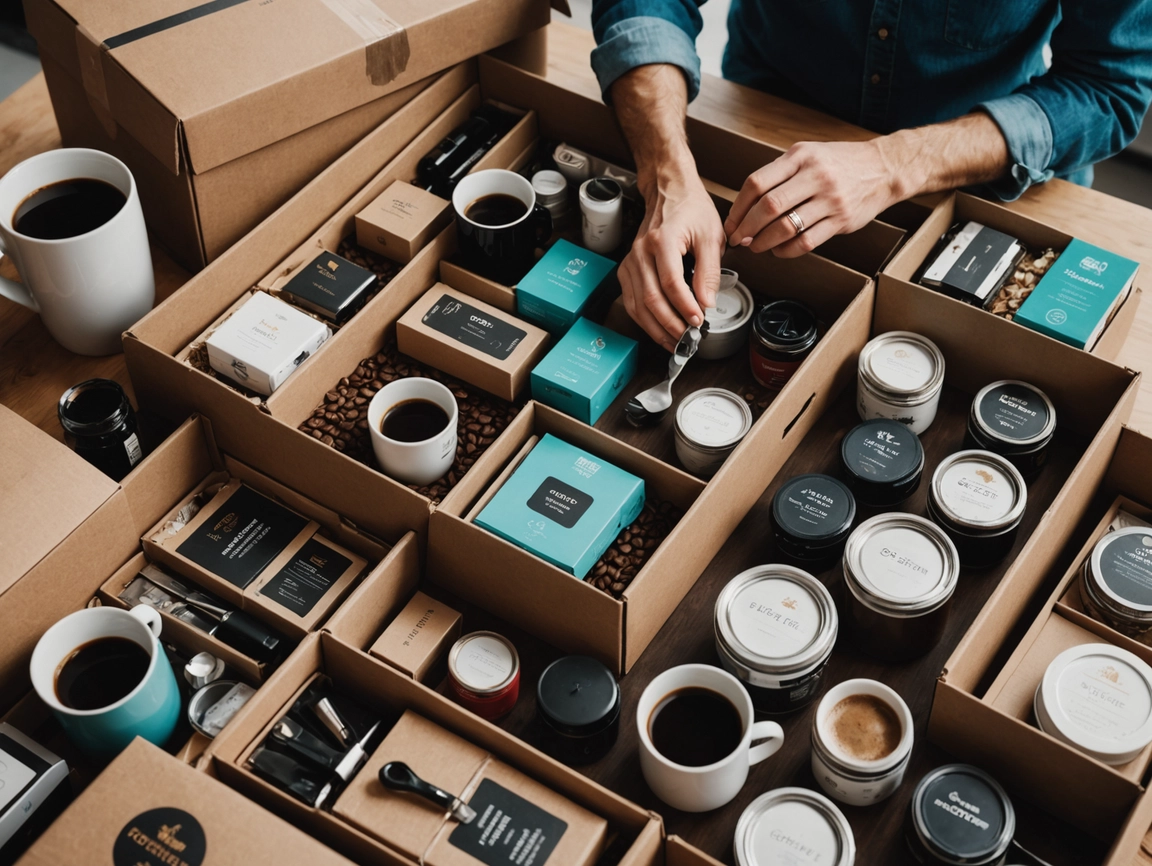
Building Recurring Revenue and Customer Loyalty
Subscription models transform one-time product sales into recurring revenue streams—customers receive products regularly (monthly, quarterly) while businesses gain predictable income, higher customer lifetime value, and stronger relationships. The subscription ecommerce market reached $38 billion in 2023 and continues growing as consumers embrace convenience of automatic deliveries for everything from razors and coffee to pet supplies and beauty products. Successful subscription businesses achieve 5-7x higher customer lifetime value than traditional ecommerce, reduce customer acquisition costs through retention, and build defensible competitive moats through habit formation. Whether you’re on Shopify, WooCommerce, BigCommerce, or any platform, subscription models offer compelling advantages—but require different strategies around pricing, retention, and customer experience. From replenishment subscriptions and curated boxes to access models and hybrid approaches, understanding subscription fundamentals is essential for modern ecommerce. Let’s explore how to build profitable subscription business.

Why Subscriptions Work
Predictable revenue: Monthly recurring revenue (MRR) enables better forecasting, planning, and investment decisions—know what’s coming next month versus unpredictable one-time sales.
Higher lifetime value: Subscription customers stay 3-5x longer than one-time buyers generating 5-7x higher lifetime value—$500 LTV subscriber versus $100 one-time customer.
Lower acquisition costs: Acquiring customer once who pays monthly for years spreads acquisition cost across many transactions—$50 CAC amortized over 24 months versus single purchase.
Customer convenience: Automatic deliveries eliminate reordering friction—”set it and forget it” appeals to busy consumers valuing convenience over novelty.
Habit formation: Regular deliveries create habits and routines making switching harder—coffee arriving every month becomes part of morning ritual.
Data and insights: Ongoing relationships provide rich data about preferences, usage patterns, and behavior enabling personalisation and improvement.
Subscription Model Types
Replenishment Subscriptions
What it is: Regular delivery of consumable products customers use and need to replace—razors, coffee, vitamins, pet food, diapers, cleaning supplies.
Examples: Dollar Shave Club (razors), Blue Bottle Coffee (coffee beans), Chewy Autoship (pet supplies), Grove Collaborative (household products).
Best for: Consumables with predictable usage rates, products customers buy regularly anyway, and items where convenience outweighs discovery.
Pricing: Typically 5-15% discount versus one-time purchase incentivising subscription while maintaining margins—$25/month subscription versus $30 one-time.
Frequency options: Let customers choose delivery frequency (every 2 weeks, monthly, every 2 months) matching their usage—flexibility reduces cancellations.
Curated Subscriptions (Boxes)
What it is: Curated selection of products delivered regularly—discovery and surprise element with new items each delivery.
Examples: Birchbox (beauty samples), FabFitFun (lifestyle products), Stitch Fix (personalized clothing), Book of the Month (curated books).
Best for: Discovery-oriented categories (beauty, fashion, food), products where variety valued, and customers trusting your curation.
Pricing: Fixed monthly fee ($10-$100+ depending on category and value) with product value exceeding price—$50 box contains $100+ worth of products.
Personalisation: Quizzes and preferences enable customisation (“What’s your style?” “Dietary restrictions?”) improving relevance and retention.
Access Subscriptions
What it is: Membership providing benefits, perks, or access rather than physical products—discounts, early access, exclusive content, free shipping.
Examples: Amazon Prime (free shipping, streaming, benefits), Costco membership (warehouse access, discounts), Patreon (creator access).
Best for: Brands with loyal customers, frequent purchasers who benefit from perks, and businesses able to provide ongoing value beyond products.
Pricing: Annual or monthly fee ($5-$15/month typical for ecommerce) providing benefits worth more than cost—$10/month for free shipping saves $8 per order.
Benefits to offer: Free shipping, exclusive discounts (10-20% off all purchases), early access to new products, members-only products, priority customer service, or exclusive content.
Hybrid Models
What it is: Combination of subscription and one-time purchases—subscribe to core products, buy additional items as needed.
Examples: Subscription for monthly coffee delivery plus ability to purchase extra bags, subscribe to razors plus buy shaving cream separately.
Best for: Businesses with both consumable and non-consumable products, customers with varying needs, and maximising revenue per customer.
Strategy: Core subscription provides recurring revenue and retention, one-time purchases increase average order value and accommodate variable needs.
Subscription Platforms and Tools
Shopify: Native subscription apps including Recharge ($99-$499/month most popular), Appstle ($10-$100/month), Seal Subscriptions ($5-$200/month), or Bold Subscriptions ($49.99/month)—integrate with Shopify checkout and admin.
WooCommerce: WooCommerce Subscriptions plugin ($199/year official plugin), YITH WooCommerce Subscription ($199/year), or Subscriptio ($79)—require more technical setup than Shopify apps.
BigCommerce: Bold Subscriptions, Recharge, or native subscription features (limited)—fewer options than Shopify but growing.
Standalone platforms: Cratejoy ($39-$149/month subscription box platform), Subbly ($19-$149/month), or SubHub ($29-$99/month)—purpose-built for subscriptions but separate from main store.
Features to look for: Flexible billing frequencies, customer portal for managing subscriptions, dunning management (failed payment recovery), analytics and reporting, prepaid subscriptions, gift subscriptions, and easy cancellation/pause.
Pricing Strategy
Discount versus one-time: 5-15% discount incentivizes subscription while maintaining margins—too small (2-3%) doesn’t motivate, too large (25%+) erodes profitability.
Tiered pricing: Multiple subscription levels (Basic $20/month, Premium $35/month, Deluxe $50/month) with increasing value—encourages upsells and serves different customer segments.
Prepaid discounts: Larger discount for paying upfront (3 months 10% off, 6 months 15% off, 12 months 20% off)—improves cash flow and retention.
Free trial: 7-14 day free trial or first box free (pay shipping only) reduces barrier to entry—converts 25-40% of trials to paid subscribers but attracts freebie seekers.
Introductory pricing: First month discounted ($10 instead of $25) or first box 50% off—lowers entry barrier, converts to full price after trial.
Calculate unit economics: Customer acquisition cost (CAC), average subscription length, monthly churn rate, and lifetime value (LTV)—LTV should be 3x CAC minimum for healthy business.
Retention Strategies
Onboarding experience: Welcome email series explaining what to expect, how to manage subscription, and maximizing value—set expectations reducing early cancellations.
Engagement: Regular communication (monthly newsletter, product tips, exclusive content) keeping brand top-of-mind between deliveries—engaged subscribers stay longer.
Flexibility: Easy to skip delivery, change frequency, swap products, or pause subscription—flexibility reduces cancellations from temporary circumstances.
Surprise and delight: Occasional bonus items, birthday gifts, loyalty rewards, or exclusive perks—unexpected value builds emotional connection.
Personalisation: Tailor products to preferences, remember past feedback, and improve relevance over time—personalised experiences increase retention.
Cancellation flow: When customer tries to cancel, offer alternatives (pause instead, skip next delivery, discount, change frequency)—save 20-40% of cancellations.
Win-back campaigns: Email cancelled subscribers with special offers (“We miss you! Come back for 25% off”)—reactivate 5-15% of churned customers.
Common Challenges
Churn management: Average monthly churn 5-10% means losing half of subscribers within year—retention is critical. Track churn by cohort, identify patterns, and address root causes.
Failed payments: Credit cards expire, decline, or have insufficient funds causing involuntary churn—dunning management (automated retry logic, email notifications, payment method updates) recovers 20-40% of failed payments.
Subscription fatigue: Too many subscriptions overwhelm customers leading to cancellations—differentiate through value, quality, and engagement not just convenience.
Inventory forecasting: Predicting demand for subscriptions easier than one-time sales but still challenging—buffer stock for growth, account for seasonality, and monitor trends.
Shipping costs: Regular shipments increase shipping expenses—build into pricing, negotiate carrier rates, optimise packaging, or charge shipping fee.
Customer service: Subscription management (changes, pauses, cancellations) creates service volume—self-service portal reduces burden, clear policies prevent confusion.
Metrics to Track
Monthly Recurring Revenue (MRR): Total subscription revenue per month—primary growth metric showing business health and trajectory.
Churn rate: Percentage of subscribers cancelling monthly—5-10% typical, lower is better. Calculate: Cancelled subscribers ÷ Total subscribers × 100.
Customer Lifetime Value (LTV): Average revenue per subscriber over entire relationship—calculate: Average subscription value × Average subscription length in months.
Customer Acquisition Cost (CAC): Cost to acquire one subscriber—marketing spend ÷ New subscribers. LTV should be 3x CAC minimum.
Average subscription length: How long customers stay subscribed—longer is better. Calculate: 1 ÷ Monthly churn rate (5% churn = 20 month average).
Reactivation rate: Percentage of cancelled subscribers who resubscribe—indicates win-back campaign effectiveness.
Net Promoter Score (NPS): Customer satisfaction and likelihood to recommend—leading indicator of retention and growth.
Marketing Subscriptions
Emphasise convenience: “Never run out,” “Delivered to your door,” “Set it and forget it”—convenience is primary value proposition for replenishment.
Highlight savings: “Save 15% with subscription,” “$5/month saves you $60/year”—quantify financial benefit making it tangible.
Show value: For curated boxes, emphasize product value versus price (“$100 worth of products for $40”)—perceived value justifies cost.
Social proof: Subscriber testimonials, unboxing videos, reviews, and subscriber count (“Join 50,000 subscribers”)—reduces perceived risk.
Free trial or discount: Lower barrier to entry with trial, first box discount, or money-back guarantee—converts hesitant customers.
Gifting: Gift subscriptions for holidays, birthdays, or special occasions—acquires customers who might not self-purchase.
Common Mistakes
Inflexible subscriptions: Difficult to skip, pause, or modify creates frustration leading to cancellations—flexibility is retention tool.
Poor cancellation experience: Making cancellation difficult damages brand and generates negative reviews—easy cancellation builds trust.
Ignoring churn: Accepting high churn as normal instead of investigating and addressing causes—small churn improvements compound significantly.
Inadequate onboarding: Not setting expectations or explaining value leads to early cancellations—first 30 days critical for retention.
No win-back strategy: Letting cancelled subscribers go without reactivation attempts wastes opportunity—win-back campaigns cost-effective.
Subscription-only: Forcing subscription without one-time purchase option limits market—hybrid approach serves all customers.
The Bottom Line
Subscription models build recurring revenue and loyalty generating predictable monthly recurring revenue (MRR) enabling better forecasting and planning, 5-7x higher customer lifetime value ($500 LTV subscriber versus $100 one-time customer) through 3-5x longer retention, lower customer acquisition costs spreading $50 CAC across 24 months of payments versus single purchase, customer convenience through automatic deliveries eliminating reordering friction, habit formation creating switching barriers, and rich data enabling personalisation. Implement replenishment subscriptions (Dollar Shave Club razors, Blue Bottle coffee, Chewy Autoship pet supplies) for consumables with predictable usage offering 5-15% discount versus one-time purchase with flexible frequency options, curated boxes (Birchbox beauty, FabFitFun lifestyle, Stitch Fix clothing) providing discovery and surprise with fixed monthly fee ($10-$100+) and personalisation through quizzes, access subscriptions (Amazon Prime benefits, membership perks) offering free shipping, exclusive discounts, early access, or members-only products for $5-$15/month, or hybrid models combining subscription core products with one-time purchase options maximising revenue per customer.
Use subscription platforms including Shopify apps (Recharge $99-$499/month most popular, Appstle $10-$100/month, Seal Subscriptions $5-$200/month, Bold $49.99/month), WooCommerce Subscriptions plugin ($199/year), BigCommerce Bold or Recharge, or standalone platforms (Cratejoy $39-$149/month, Subbly $19-$149/month, SubHub $29-$99/month) with features including flexible billing frequencies, customer portal, dunning management recovering 20-40% of failed payments, analytics, prepaid options, gift subscriptions, and easy cancellation. Price strategically with 5-15% subscription discount (too small doesn’t motivate, too large erodes profitability), tiered pricing (Basic $20, Premium $35, Deluxe $50) serving different segments, prepaid discounts (3 months 10% off, 6 months 15% off, 12 months 20% off) improving cash flow, free trials (7-14 days converting 25-40% to paid), or introductory pricing (first month $10 instead of $25) lowering entry barrier calculating unit economics ensuring LTV 3x CAC minimum.
Retain subscribers through onboarding experience setting expectations, regular engagement (newsletter, tips, exclusive content) keeping brand top-of-mind, flexibility allowing skip, frequency changes, swaps, or pause reducing cancellations, surprise and delight (bonus items, birthday gifts, loyalty rewards) building emotional connection, personalisation tailoring to preferences improving relevance, cancellation flow offering alternatives (pause, skip, discount, frequency change) saving 20-40% of cancellations, and win-back campaigns reactivating 5-15% of churned customers. Track metrics including Monthly Recurring Revenue (MRR primary growth metric), churn rate (5-10% typical calculating cancelled ÷ total × 100), Customer Lifetime Value (average subscription value × average length in months), Customer Acquisition Cost (marketing spend ÷ new subscribers with LTV 3x CAC minimum), average subscription length (1 ÷ monthly churn rate), reactivation rate, and Net Promoter Score indicating satisfaction and retention.
Market emphasising convenience (“Never run out,” “Set it and forget it”), highlighting savings (“Save 15% with subscription”), showing value (“$100 worth for $40”), leveraging social proof (testimonials, unboxing videos, subscriber count), offering free trials or discounts lowering barrier, and enabling gift subscriptions acquiring customers who might not self-purchase. Avoid common mistakes including inflexible subscriptions creating frustration, poor cancellation experience (easy cancellation builds trust), ignoring churn accepting high rates as normal, inadequate onboarding leading to early cancellations (first 30 days critical), no win-back strategy wasting reactivation opportunities, and subscription-only approach limiting market (hybrid serves all customers)—subscription models transform one-time sales into recurring revenue streams building predictable income, higher lifetime value, stronger customer relationships, and defensible competitive advantages through convenience, habit formation, and ongoing engagement.
Affiliate Disclosure: This article contains affiliate links to subscription platforms and tools. If you purchase through these links, we may earn a commission at no additional cost to you. We only recommend solutions we genuinely believe will help you build successful subscription businesses.